
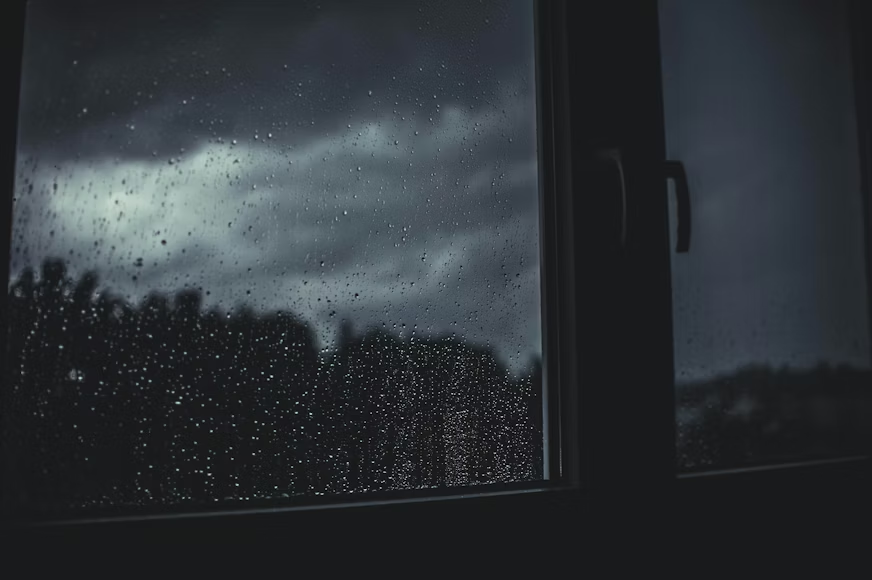
Thunderstorm Sounds for Sleeping: A Deeper, Fuller Kind of Rain
Plain rain is great. But for a lot of people, a real thunderstorm — rain plus the slow rumble of distant thunder — does something rain alone can’t: it gives your brain a richer sound to settle into, with just enough variation to feel alive without becoming distracting.
This page is about why thunderstorm sounds work a little differently than plain rain, and how to use them well.
What Makes Thunder Add Something Rain Doesn’t
Plain rain is consistent — which is exactly its strength for masking noise, but it can also feel a little flat over a long stretch. Thunder introduces slow, irregular low-frequency rumbles underneath the rain. Those low frequencies are felt almost as much as heard, and they add a sense of depth and “fullness” to the soundscape without disrupting the steady masking effect of the rain itself.
The key word is distant. A close, sharp thunderclap is startling — the opposite of what you want before sleep. A good thunderstorm sound for sleeping is rain-forward, with thunder rolling low and far away, more felt than noticed.
Listen to Thunder Rain Now
Try blending Thunder Rain at a lower volume underneath Gentle Rain for a fuller storm — that combination tends to work better than thunder alone.
When Thunderstorm Sounds Work Better Than Plain Rain
If you find plain rain “too quiet” or empty-feeling. Some people need a bit more texture in the background to actually stop noticing their own thoughts. The occasional low rumble gives your attention something to gently rest on.
If you’re trying to mask deeper, louder background noise — traffic, an HVAC system, a noisy apartment building. The lower frequencies in thunder help mask low-frequency noise sources that thin rain alone won’t cover as well.
If you genuinely associate storms with comfort. A lot of people grew up finding storms cozy rather than scary — if that’s you, thunderstorm sounds will likely relax you faster than anything else on this list.
When to Stick with Plain Rain Instead
If you’re sensitive to sudden sounds or have a startle response, even “distant” thunder can occasionally be too much. In that case, plain Gentle Rain without any thunder layered in is the safer choice — there’s no wrong answer here, it’s entirely about what your own nervous system responds to.
How to Build a Good Thunderstorm Mix
Start with rain as the base layer, set to a comfortable, steady volume.
Add thunder at roughly half the volume of the rain — it should sit underneath, not compete with it.
If it’s available, add a touch of wind for extra texture.
Set a sleep timer with a fade-out rather than playing all night at full volume.
Frequently Asked Questions
Will thunder sounds wake me up if there’s a “loud” clap in the recording?
Good ambient thunder tracks are designed to avoid sharp, sudden claps — the thunder is mixed to be a low rolling rumble, not a startling crack. If a track does have sharp claps, it’s not well suited for sleep and you should look for a gentler one (or just use rain alone).
Are thunderstorm sounds safe for light sleepers?
For most light sleepers, yes — the steady rain layer does the heavy lifting of masking noise, and the thunder is subtle enough not to be disruptive. If you’re unsure, start with thunder at a very low volume and adjust from there.
Can I use thunderstorm sounds for studying or focus, not just sleep?
Yes. The same masking effect that helps you fall asleep also helps block distracting noise while working or studying. Many people use a thunderstorm mix during the day specifically for focus, then switch to a timer-based version at night for sleep.
